
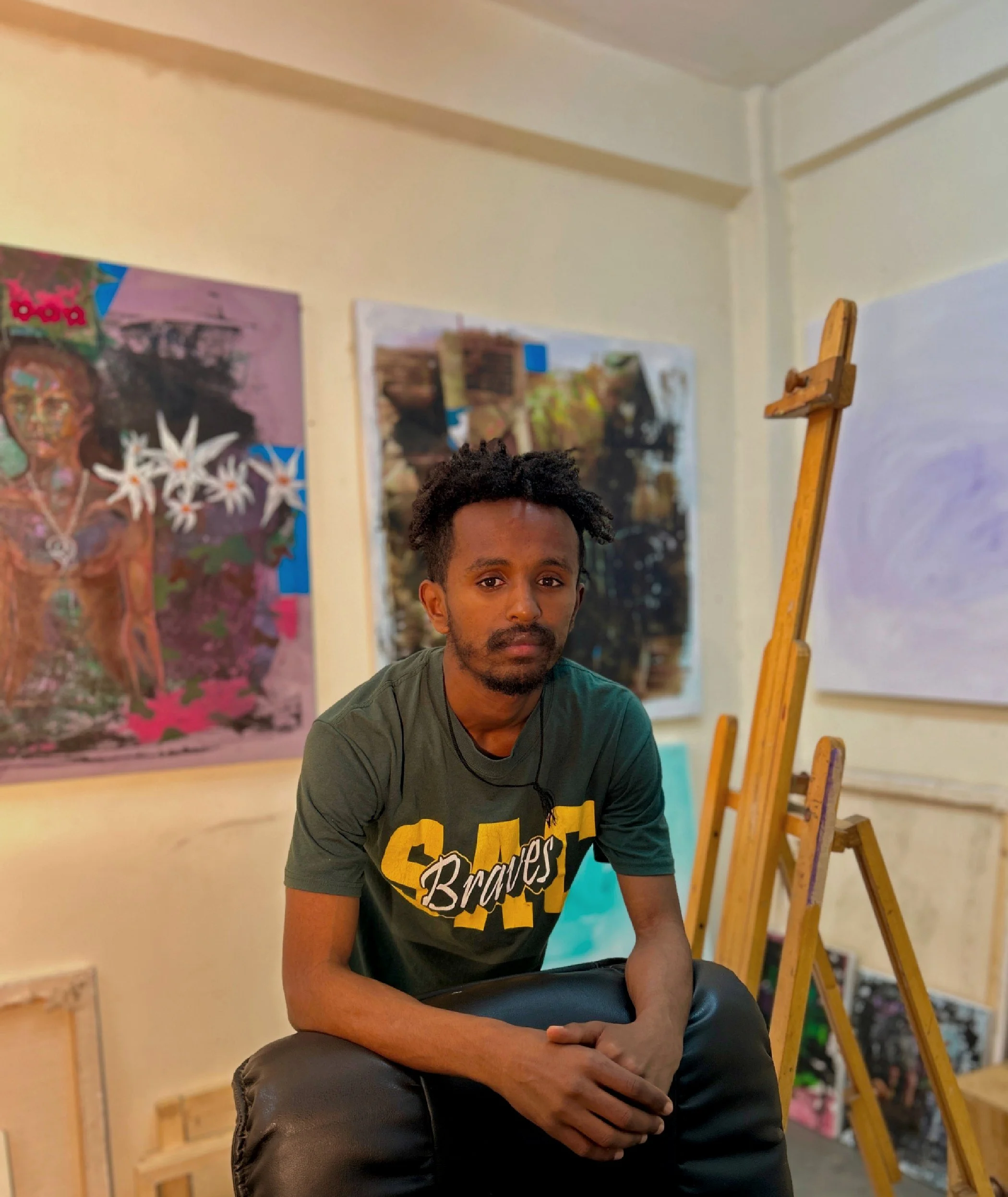
ESTIFANOS SOLOMON
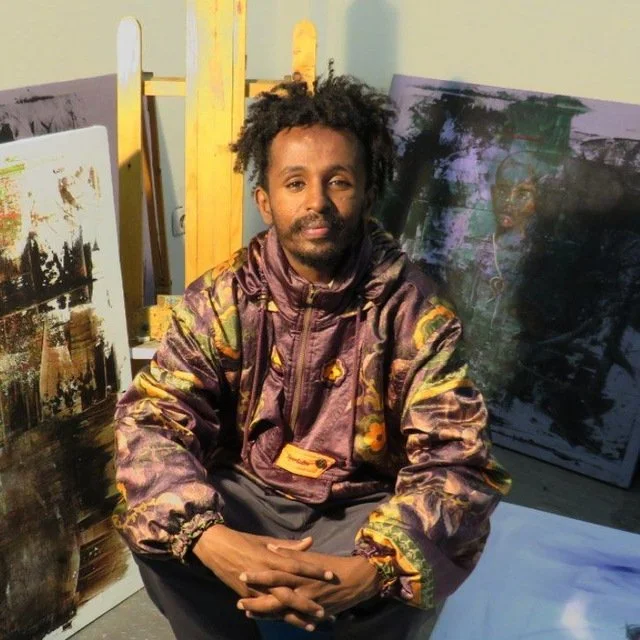
Based in Addis Ababa, Ethiopia, Estifanos Solomon is a visual artist whose practice centers on themes of passion, conflict, and lived experience, often examined through the lens of childhood and emotional tension. Trained in painting and printmaking at the Russian Centre for Science and Culture, Entoto Polytechnic College, and the Addis Ababa University Alle School of Fine Arts and Design, his work uses slowness, repetition, and layered imagery to invite meaningful reflection on overlooked social realities. In this conversation, we sit down with Estifanos Solomon to discuss his practice driven by instinct and care where images of childhood, symbolic motifs, and layered processes are used to explore innocence, conflict, and emotional responsibility all with quiet passion.
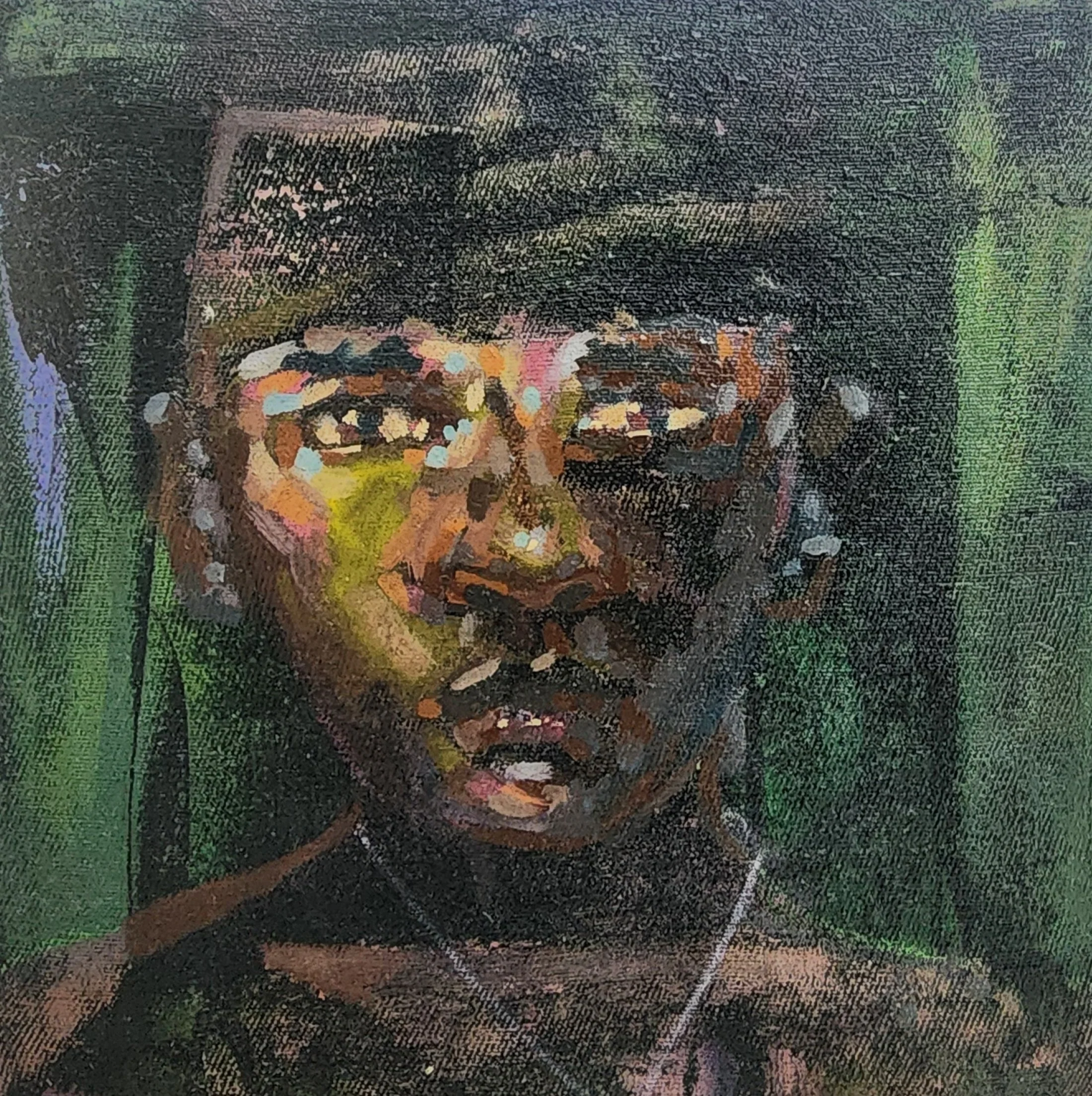
Our paths first crossed in 2024 when we collaborated on an Instagram reel highlighting your work. For those who are just discovering your work, if you had to introduce yourself through your art only, how would you describe it - the colors, themes, subject matter, etc.?
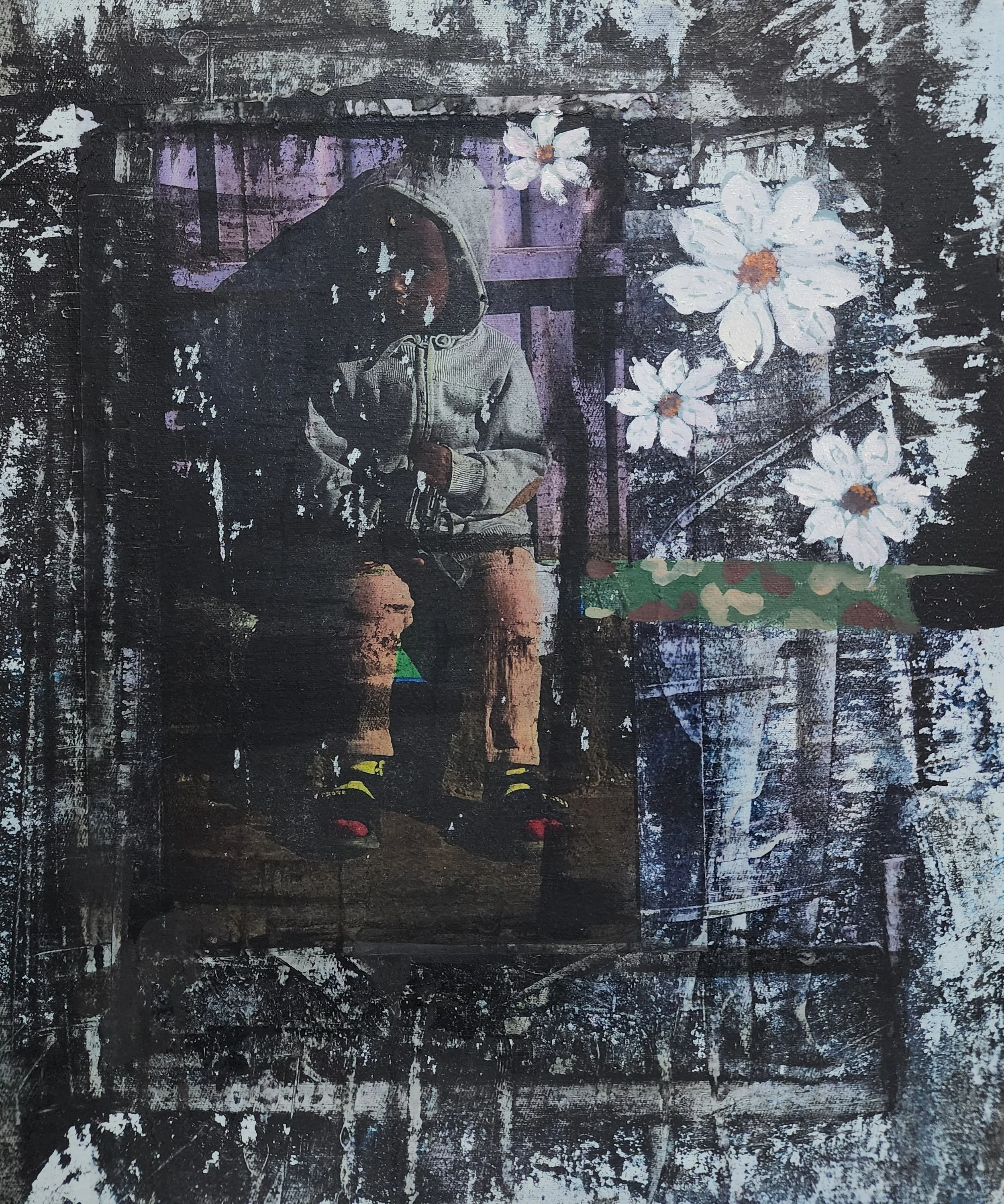
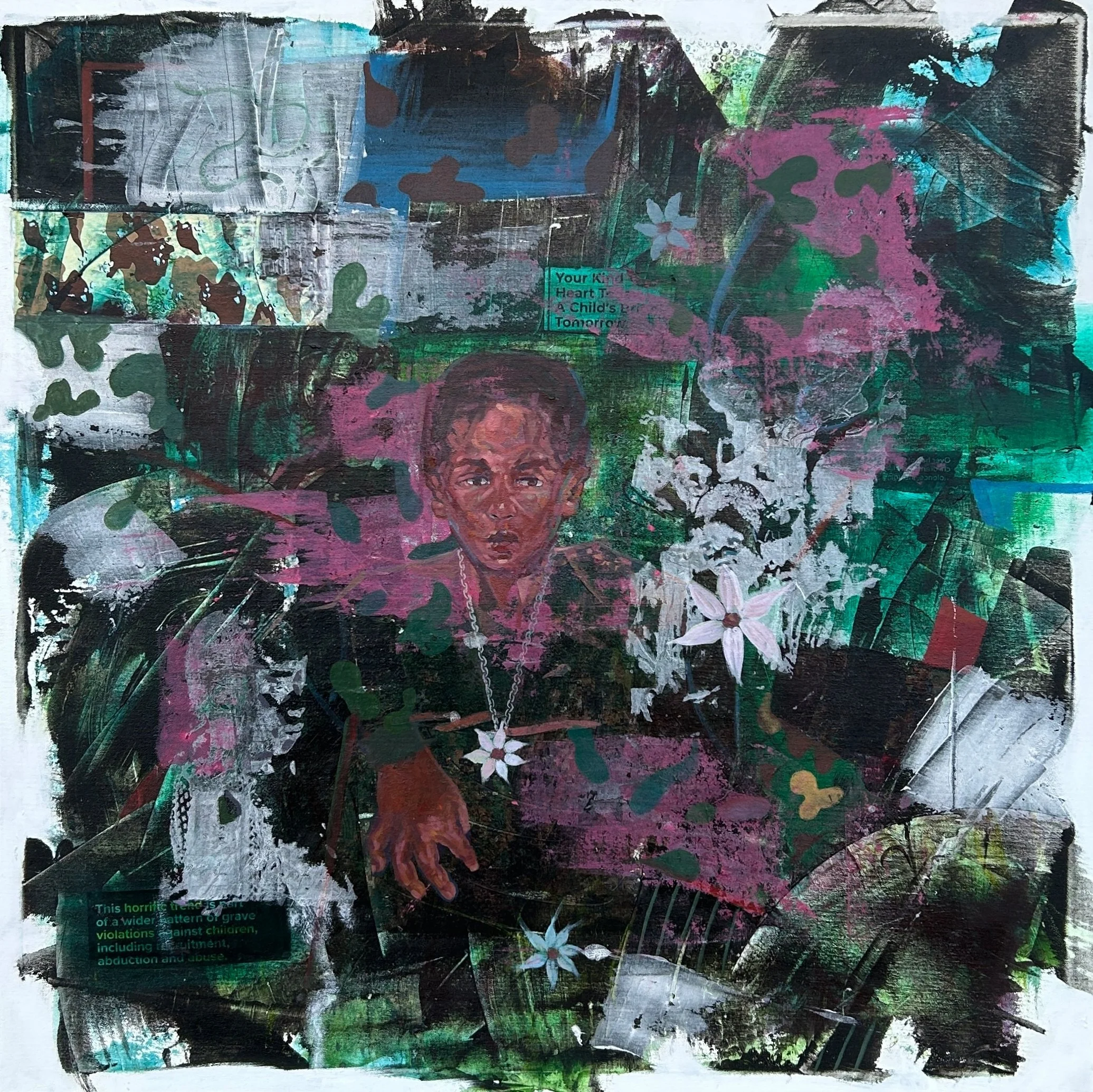
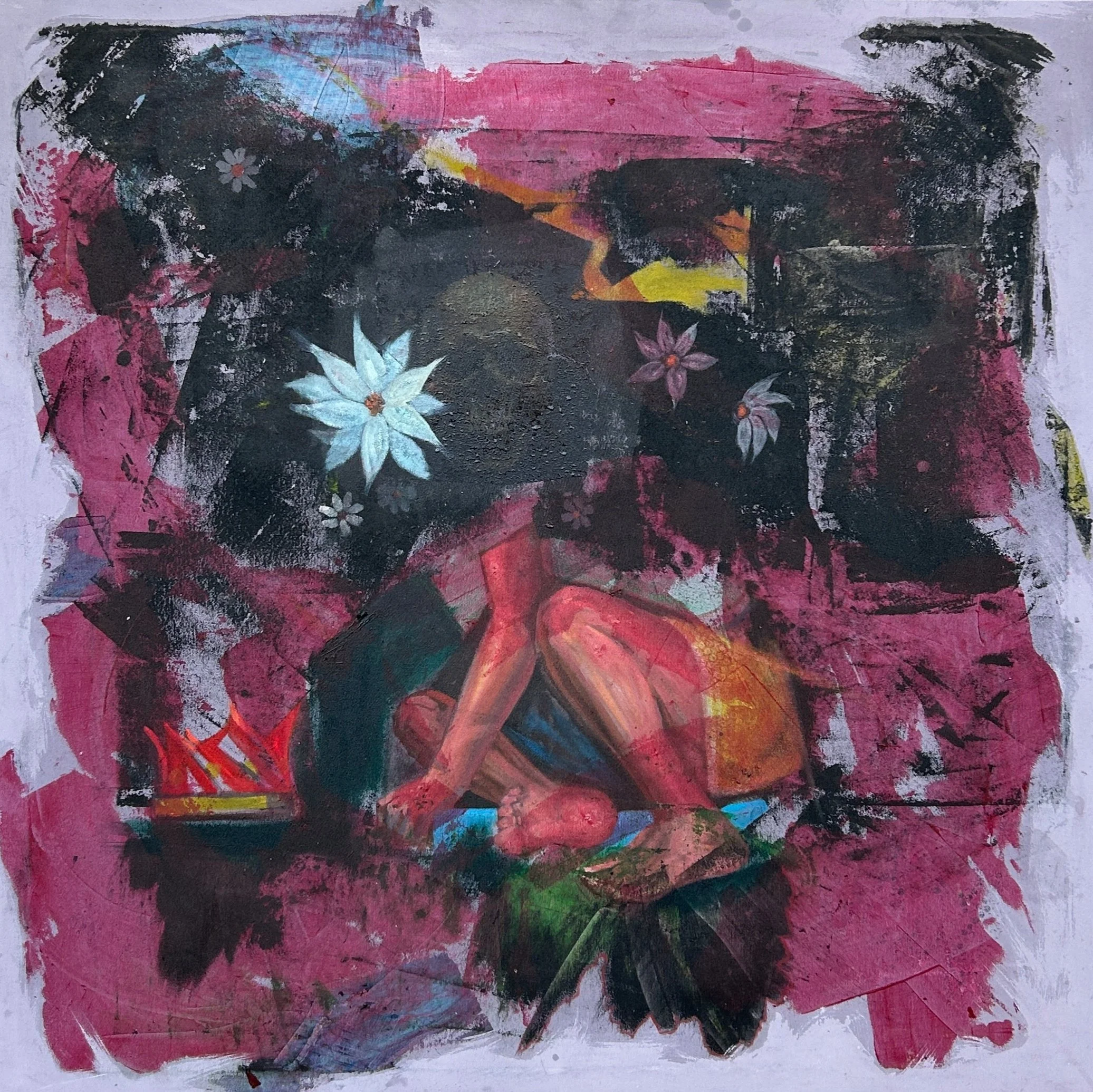
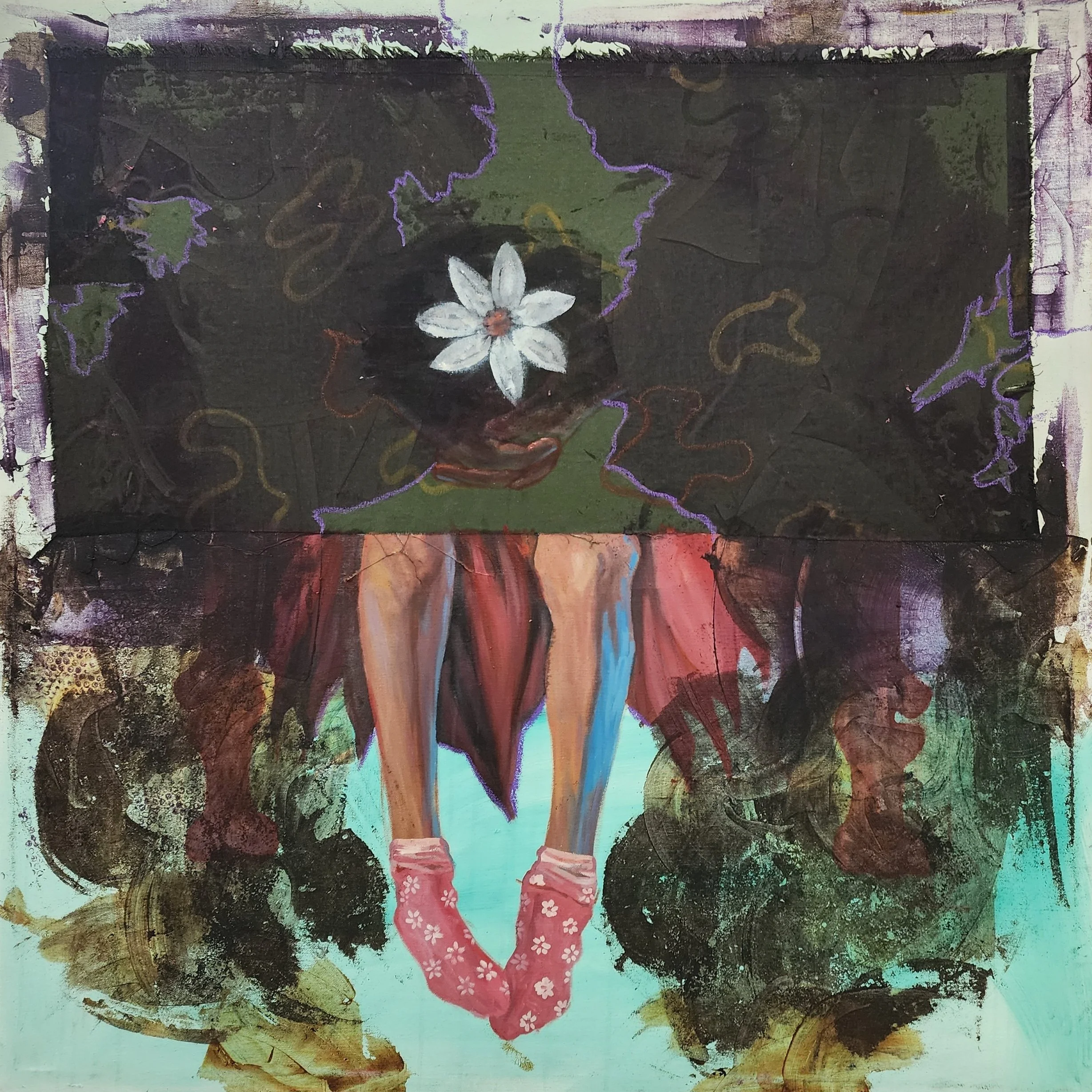
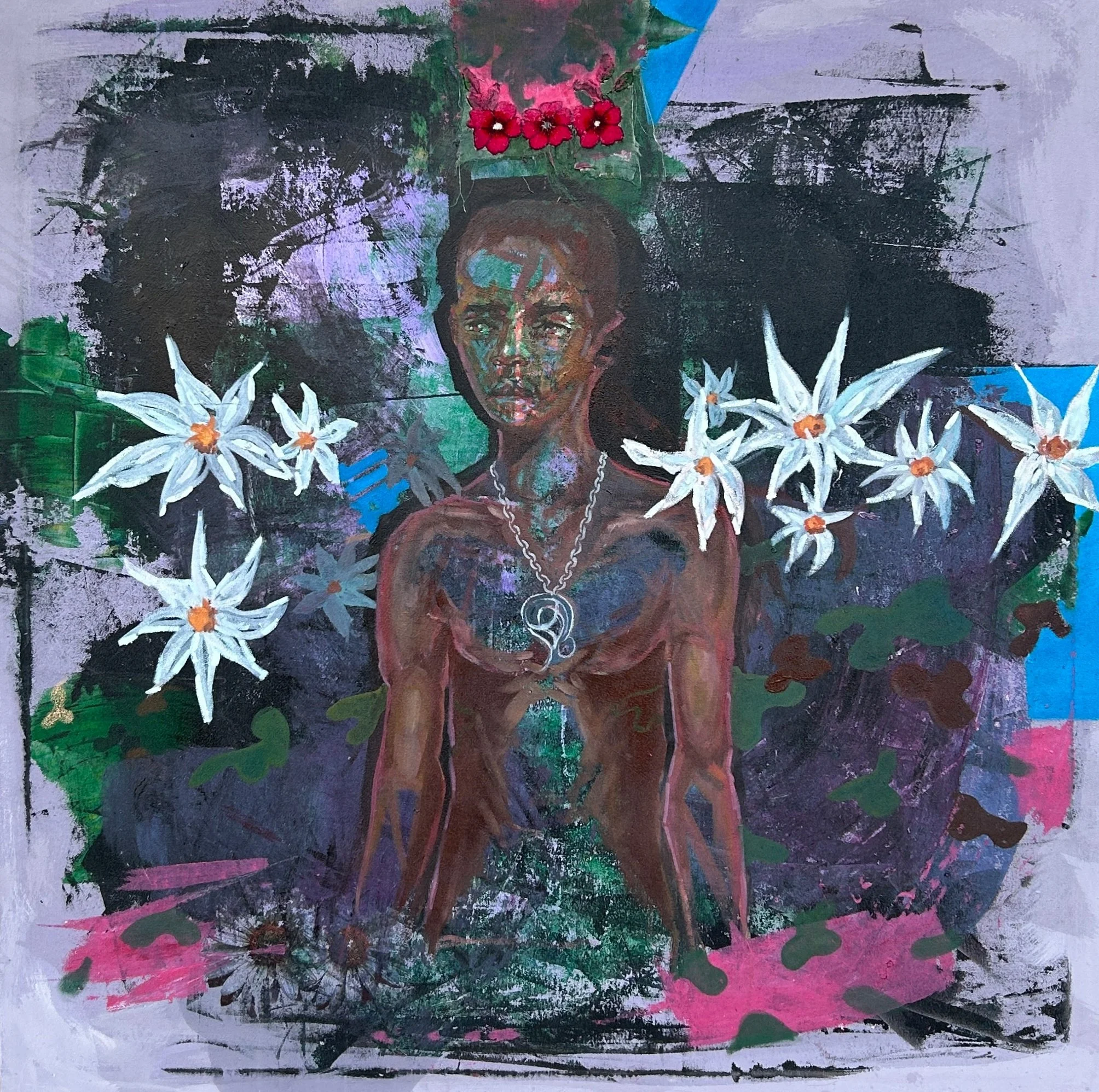
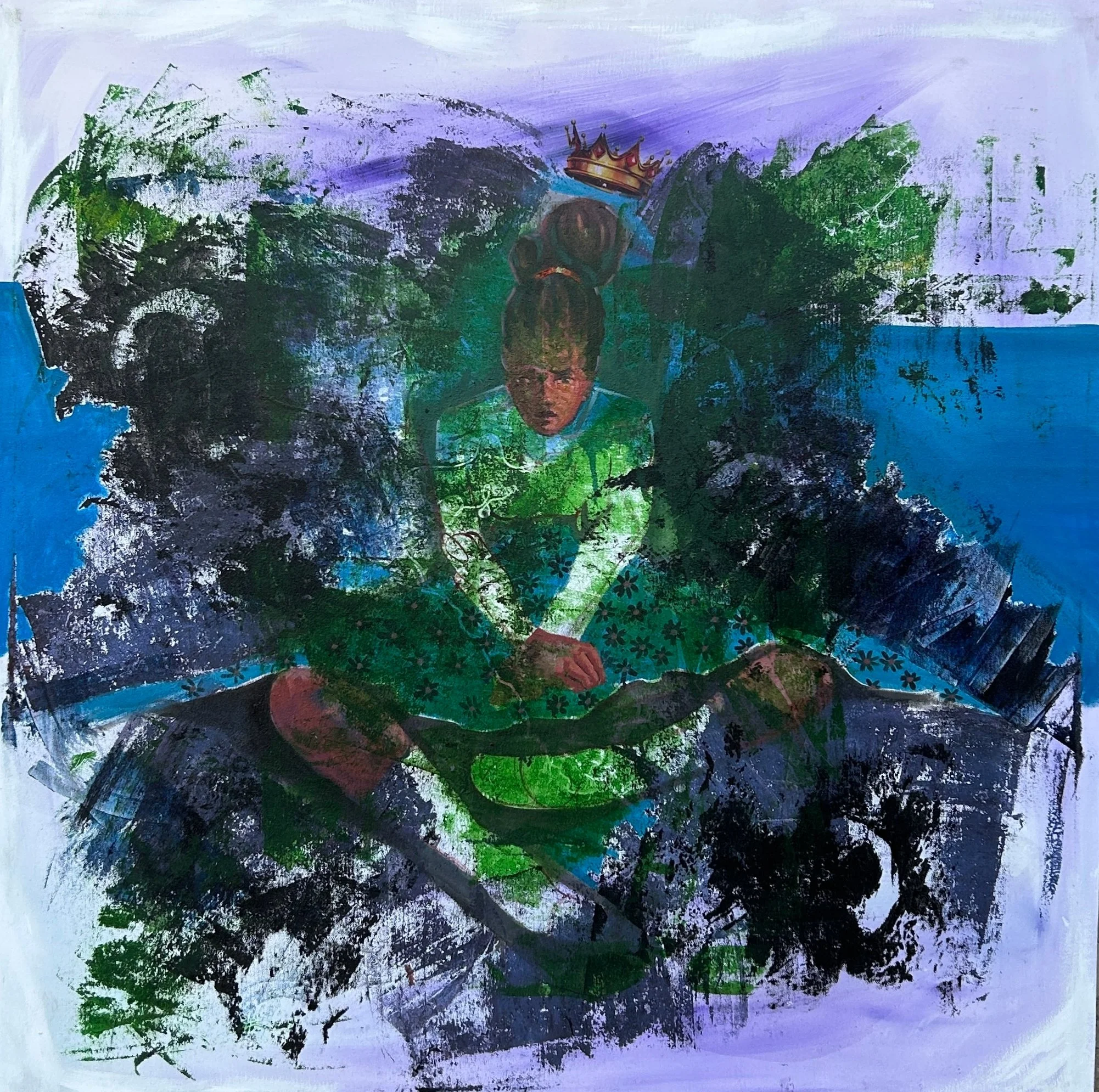
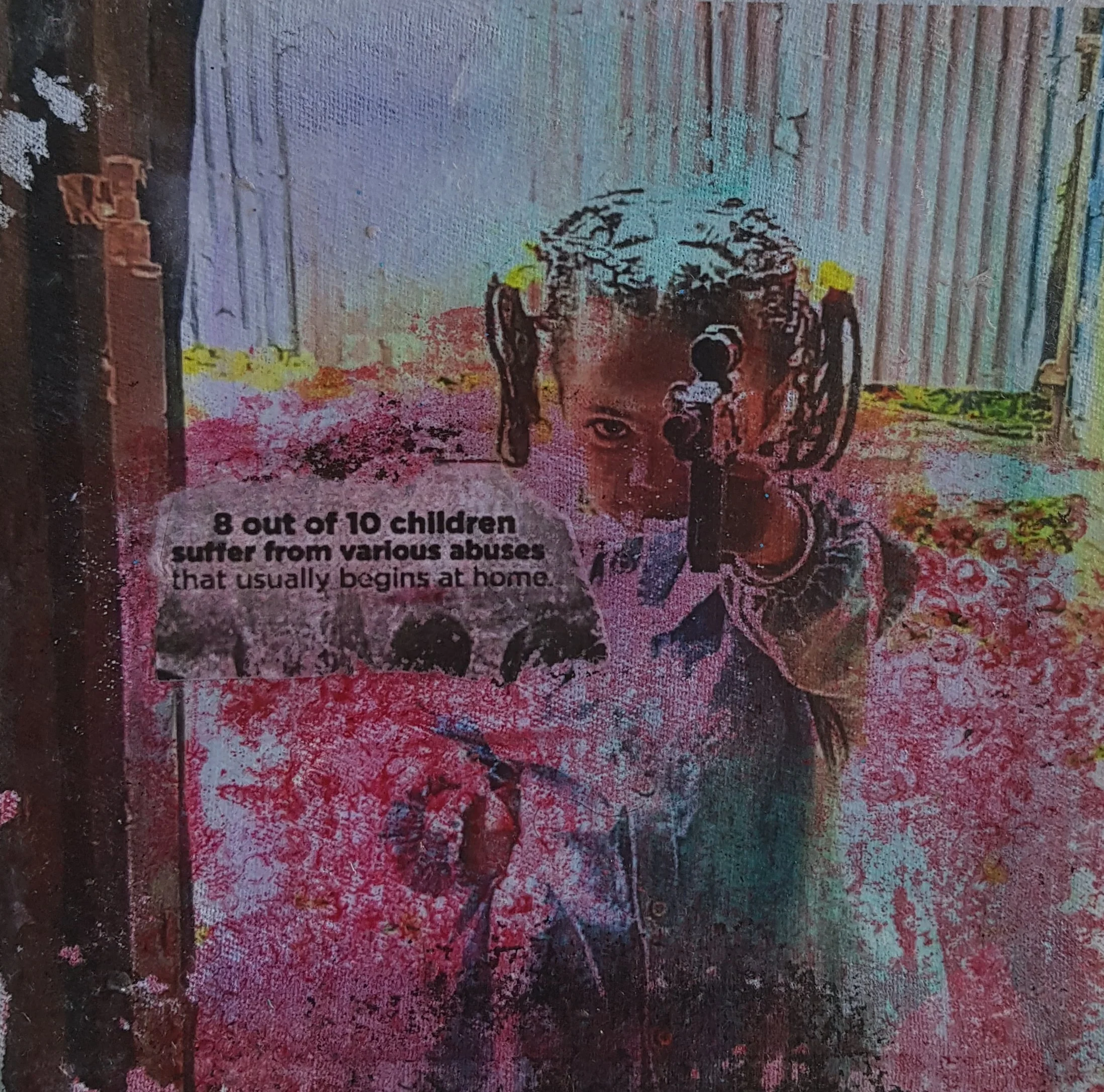
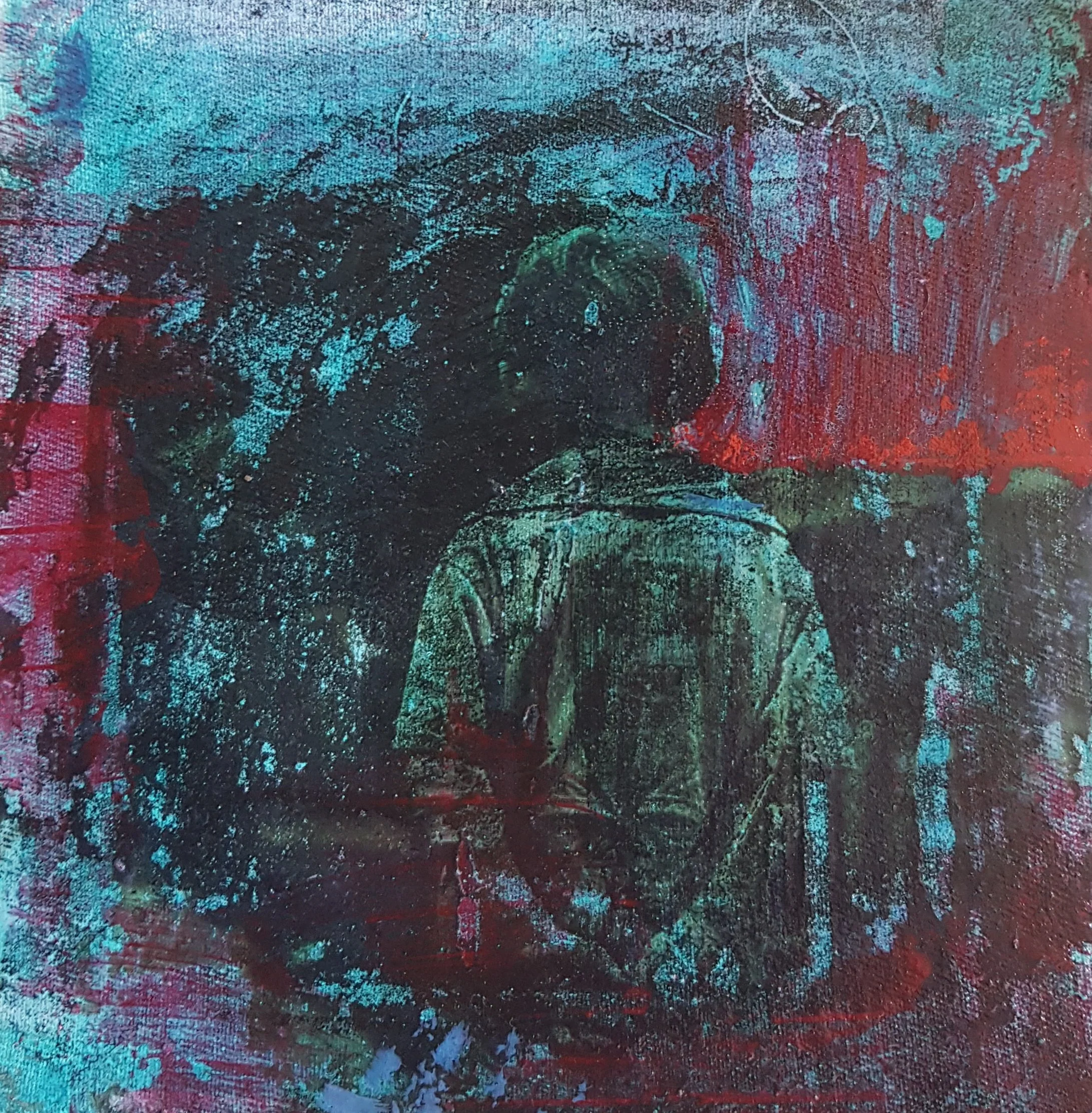
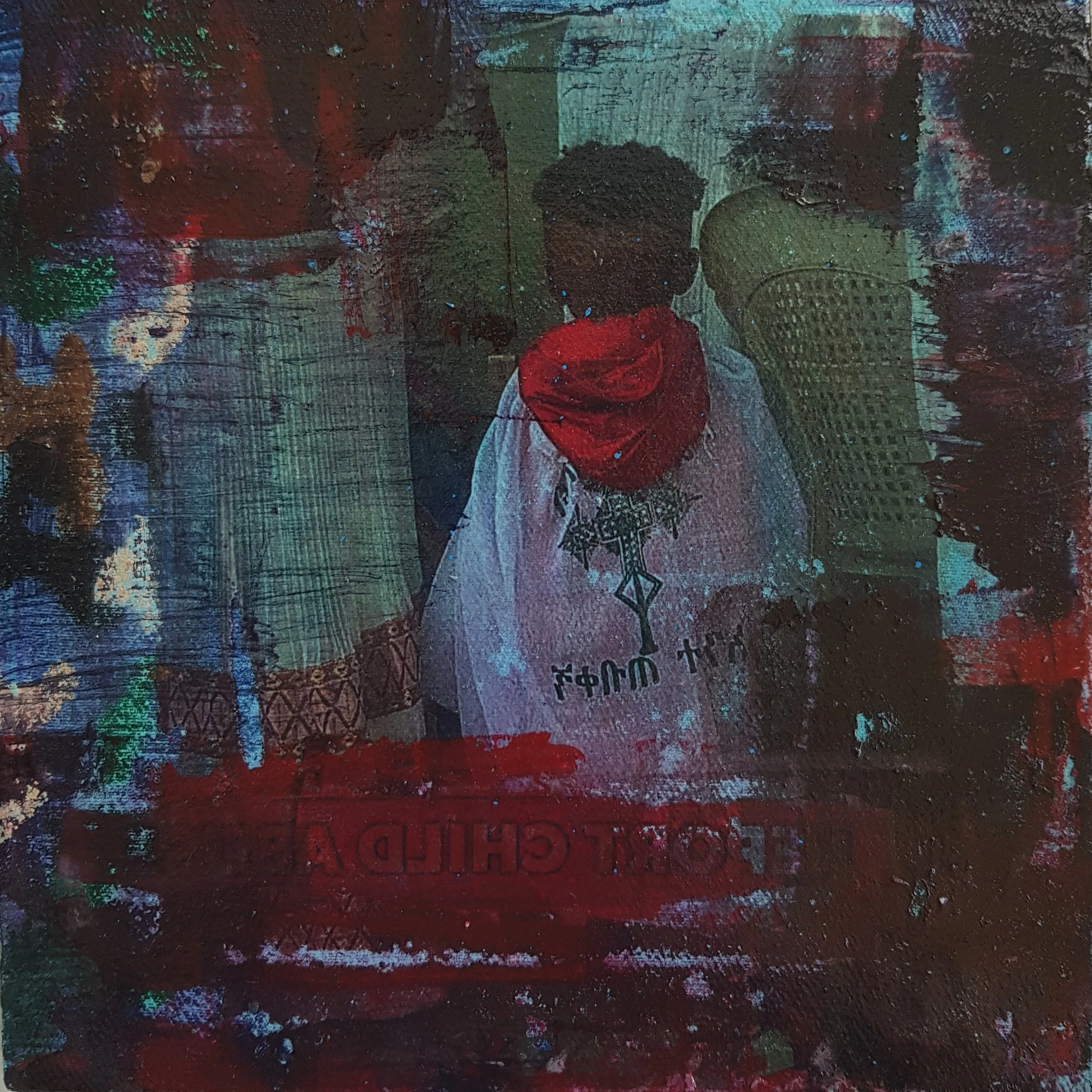
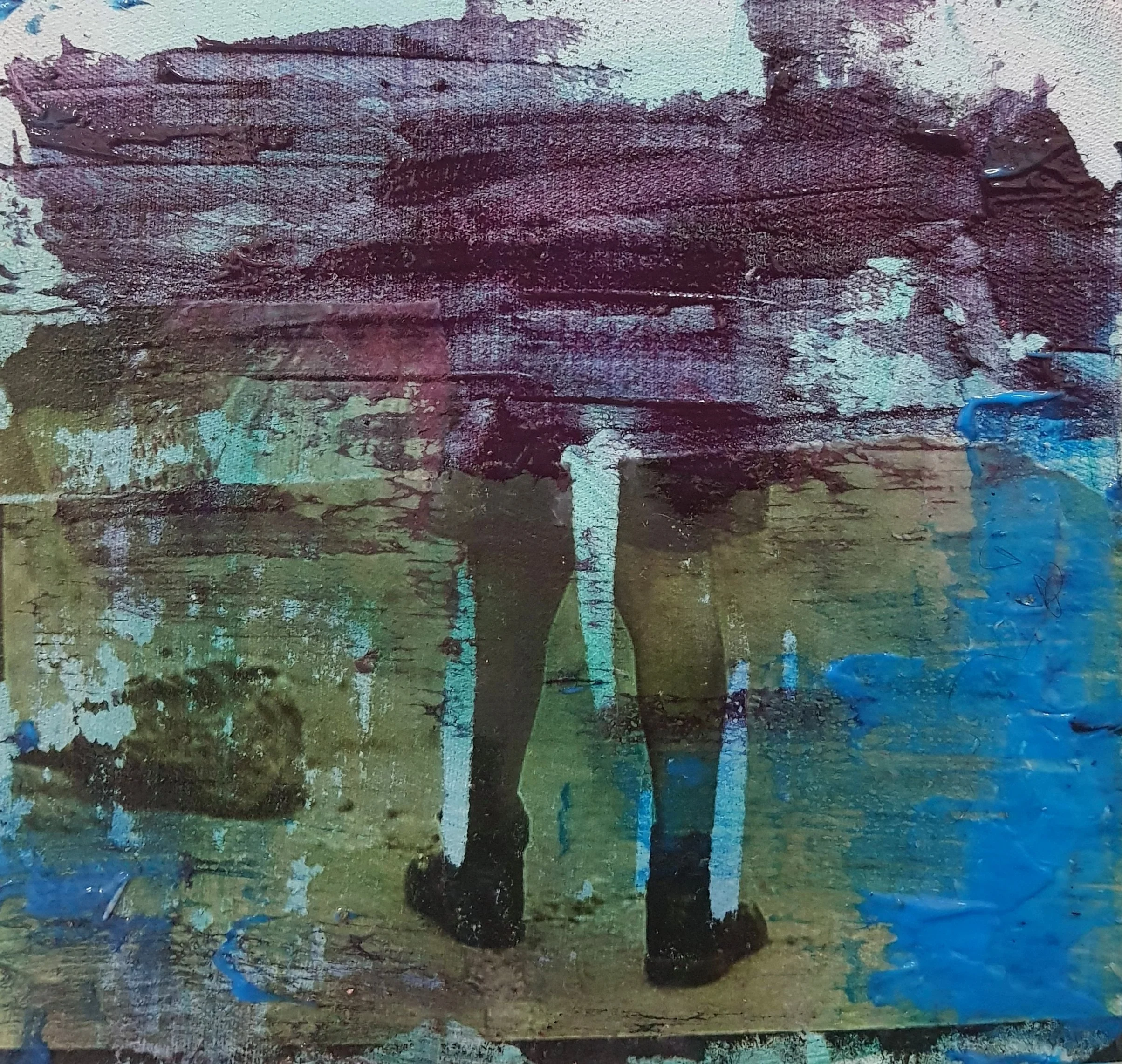
ES— My work speaks through images of childhood that feel familiar yet unsettled. I center children and child-related motifs as a way to examine conflict, neglect, and the contradictions of contemporary life. What initially appears playful or innocent often carries an underlying tension, reflecting how children’s needs, emotions, and passions are frequently overlooked in a world shaped by individualism and instant gratification. Working primarily with silkscreen and oil painting, I embrace repetition, texture, and slowness as essential parts of my process. These methods allow images to linger and accumulate meaning over time. Through this deliberate pace, I invite viewers to pause, look closer, and confront difficult realities such as child neglect and abuse that are often ignored, softened, or pushed aside.
Your work often holds tension between passion and conflict. How do you recognize when a feeling is ready to become an image?
ES— Deciding when a feeling is ready to become an image isn’t easy. I often rely on instinct: when my emotional tension and intuitive sense align, I know it’s the right moment to translate the elements in my mind into a visual form. Because I frequently reflect on conflict, it can be challenging to create an image that feels complete. But when my feeling and instinct merge, I am no longer afraid to bring the image into existence. I trust not only my instinct and intention but also the medium I work with. When medium, instinct, and intentionality come together, they naturally give rise to imagery.
Your work depicts children which I notice are often overlooked subjects of contemporary art today. What draws you to this focus and how do you balance visibility with care when addressing complex realities through your work?
ES— I am drawn to depicting children because they are often overlooked in contemporary art, despite being deeply affected by social, political, and emotional realities. For me, this focus comes from an urge to create work that feels meaningful rather than purely aesthetic. Addressing these subjects gives my practice a dual purpose, it allows me to function not only as an artist, but also as a person who is responding to the world with care and responsibility. I am aware that working with such themes carries an inherent complexity, particularly when representing vulnerable subjects. Rather than avoiding this difficulty, I embrace it through a process rooted in research, observation, and empathy. I spend time learning about the contexts surrounding the issues I address and try to emotionally understand what children in these situations might experience. While I can never fully inhabit their realities, attempting to feel and acknowledge their emotions becomes an ethical grounding for my work, and that is how the balance comes to.
When I experience your work, I notice motifs of crowns and daisies. What is the significance or personal meaning of those?
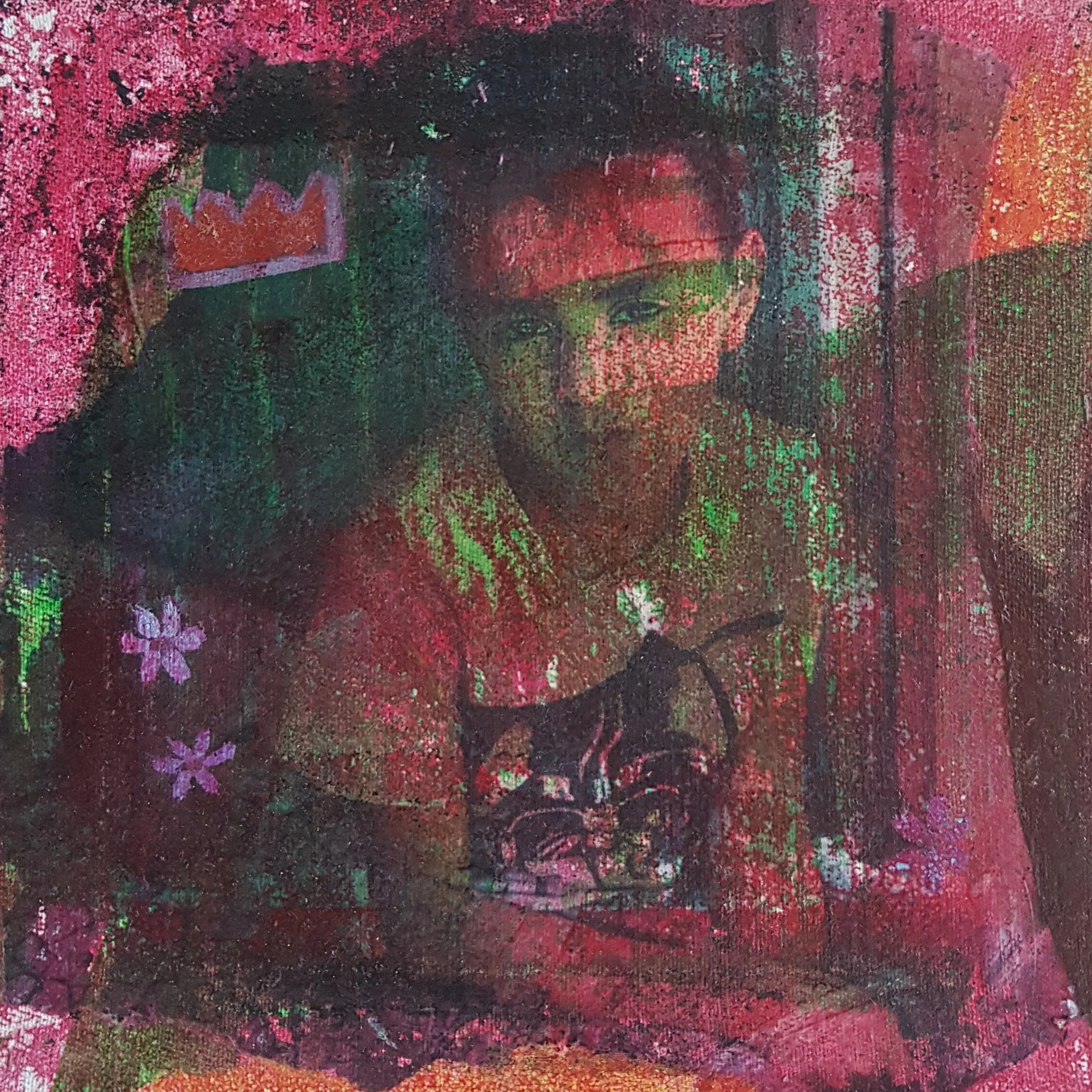
ES— I often incorporate motifs such as crowns and daisies. While these elements can evoke different interpretations for each viewer, personally, I use them to represent innocence, purity, and a kind of power that is often overlooked or neglected. I also value the open-ended nature of these symbols, allowing each viewer to bring their own experiences and insights, and to find personal meaning in the work.
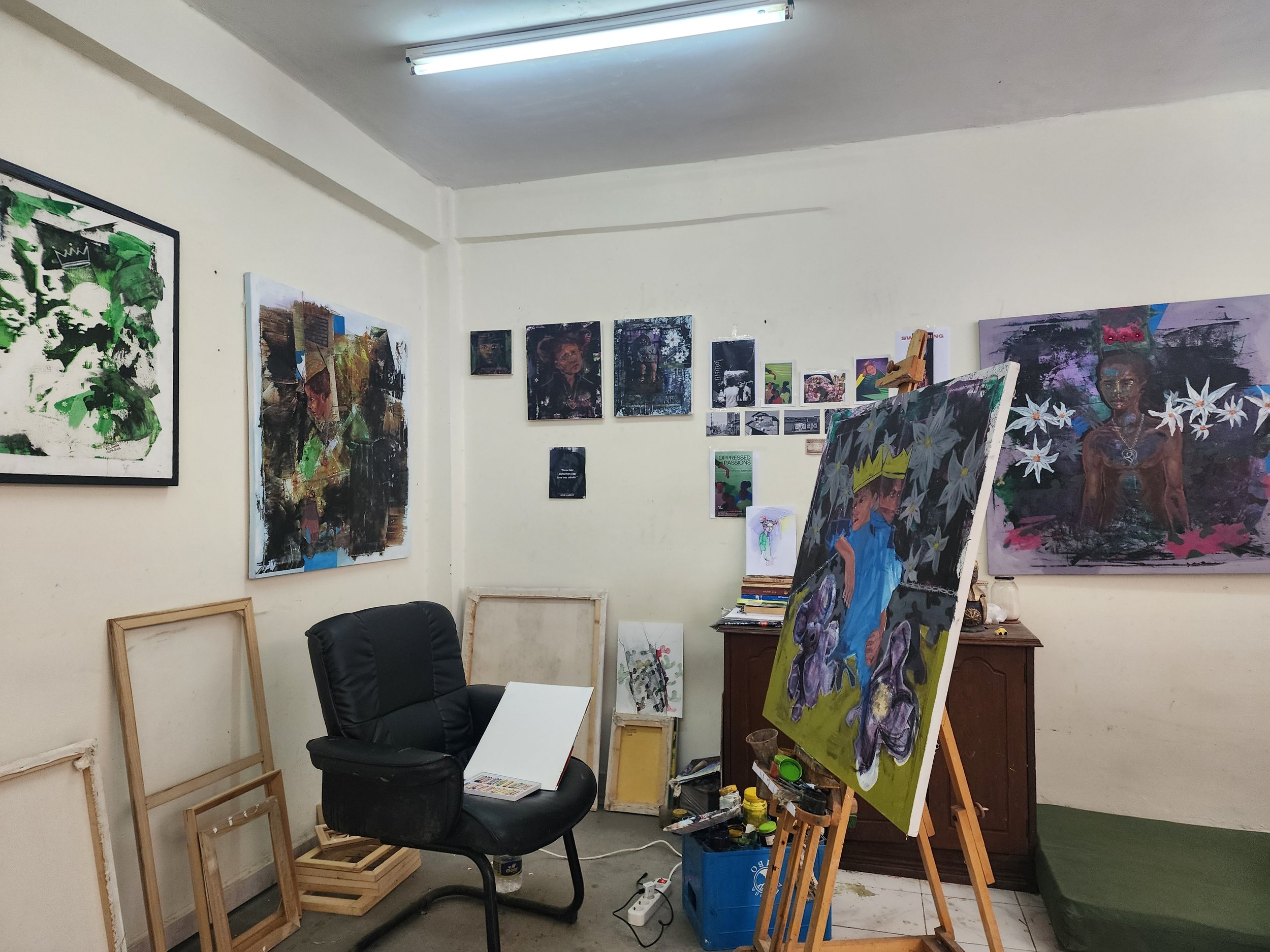
“I work fluidly between painting and printmaking, as each medium allows me to express different aspects of my work.”
You work fluidly between painting and printmaking. What does each medium allow you to express that the other resists?
ES— I work fluidly between painting and printmaking, as each medium allows me to express different aspects of my work. Printmaking gives me a freedom that painting often resists, it allows me to experiment with textures and layers in ways that feel more spontaneous. Painting, on the other hand, forms the essential foundation of my pieces; it serves as the core ground. I often add impulsive touches through printmaking, while the painted ground remains the stable heart of the work.
I want to talk about your role as an educator, when guiding new artists, what do you think is most often overlooked in early creative development?
ES— In early creative development, many artists focus so much on technique, trends, or external validation that they overlook the authentic connection between themselves and their ideas. That authenticity is what gives work lasting impact, even if the external “rules” of the art world shift over time. The tricky part is that authenticity can’t be forced it grows through exploration, patience, and curiosity. Early on, artists often feel pressure to produce something polished or marketable, which can push them away from the raw, personal essence of their concepts. The real growth happens when they allow themselves to experiment, make “bad” work, and sit with ideas long enough to let them breathe.
How do you know when a piece has reached resolution for you, emotionally, not technically?
ES— Difficult to know sometimes but like I mentioned above about instinct, some energy inside me will say its enough. I might probably smile to the piece as well, there are times where that is a cue for me to stop working on it.
When you look ahead, what kind of growth feels most essential to you right now?
ES— For me, there are two essential areas of growth: first, achieving absolute confidence in my work. Second, learning to create and communicate in a way that reflects only what’s necessary whether in my art or in conversations without constantly trying to influence others.
Watch Estifanos Solomon’s Video
We take a curatorial view at artist Estifanos Solomon’s art practice.
Images courtesy of Estifanos Solomon.